
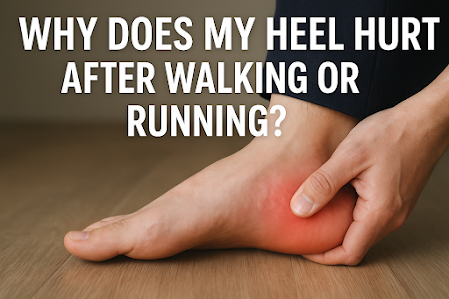
Heel discomfort during daily activity or exercise is a common issue that can affect mobility, performance, and overall quality of life. Understanding what triggers the problem helps in choosing the right treatment before the pain worsens. Your heel bears significant stress with every step, so even a small imbalance, injury, or inflammation can quickly lead to persistent soreness. This guide explores the most frequent reasons behind heel pain, early warning signs, and practical ways to manage and prevent the condition effectively.
Common Reasons Behind Heel Pain
1. Plantar Fasciitis
This is one of the most frequent causes of morning or post-activity heel stiffness. The thick band of tissue that supports your arch becomes irritated due to excess strain. Individuals who stand for long hours, have high arches, or wear poor-supporting footwear are more likely to experience this issue. Pain usually worsens after rest and improves slightly after gentle movement.
2. Achilles Tendon Irritation
Overuse of the tendon connecting the calf muscles to the heel can trigger swelling, tenderness, and difficulty raising the foot. This often affects runners, athletes, or people who suddenly increase activity levels. Without proper stretching, the tendon tightens, contributing to heel tension during movement.
3. Heel Spurs
A heel spur forms when calcium deposits build up over time due to chronic pressure or inflammation. Although not always painful, they can cause sharp discomfort when walking, especially on hard surfaces. Using cushioned shoes and early intervention helps reduce the irritation.
4. Stress Fracture
Small cracks in the heel bone may develop from repetitive impact or intense training sessions. This condition requires rest and professional evaluation. Symptoms include localized pain, swelling, and difficulty bearing weight on the affected foot.
5. Flat Feet or High Arches
Abnormal foot structure affects weight distribution. Flat feet cause overstretching of tissues, while high arches increase pressure on the heel. Both conditions may lead to strain, especially during long walks or runs without supportive footwear.
6. Improper Footwear
Shoes lacking cushioning, stability, or arch support force the heel to absorb excessive shock. Thin soles, worn-out insoles, or a bad fit can worsen the situation. Replacing shoes regularly helps protect the heel from repetitive stress.
7. Sudden Activity Increase
A rapid jump in exercise intensity overloads the heel and surrounding tissues. Increasing running distance, speed, or terrain difficulty too quickly often leads to inflammation or micro-injuries.
Warning Signs You Should Not Ignore
• Sharp pain when taking the first steps after rest
• Swelling around the heel or arch
• Difficulty standing on tiptoes
• Persistent soreness even after rest
• Stiffness that worsens after activity
Tips to Relieve Heel Discomfort
• Rest the foot and avoid overexertion
• Apply ice packs to reduce swelling
• Choose shoes with good cushioning
• Perform calf and arch stretches daily
• Use orthotic insoles for balanced support
• Maintain a healthy body weight to reduce stress
• Gradually increase workout intensity
Conclusion
Early identification of heel discomfort helps prevent long-term complications and improves mobility with simple care steps and lifestyle corrections.
Proper footwear, stretching, and timely medical guidance ensure faster relief and healthier movement.