Understanding a Ligament Injury
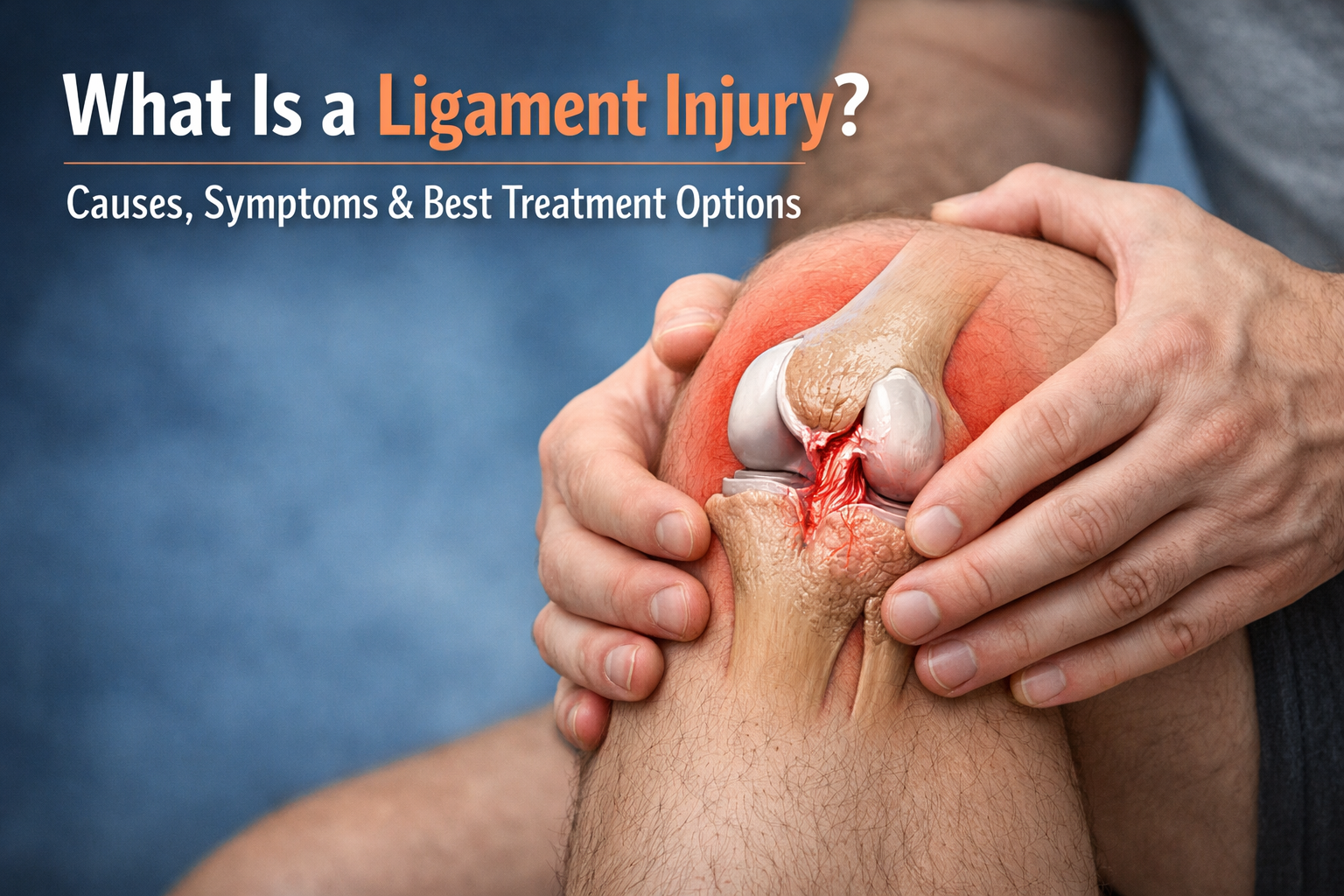
A ligament injury occurs when the strong bands of tissue connecting bones at a joint are stretched or torn. Ligaments play a vital role in joint stability and smooth movement. Damage to them can affect daily activities, sports performance, and overall mobility if not treated on time.
Common Causes of Ligament Damage
Ligament injuries usually happen due to sudden force or abnormal joint movement. The most frequent causes include:
Sports accidents involving quick turns or jumps
Falls or road traffic accidents
Twisting injuries during physical activity
Overuse leading to gradual wear and tear
Poor conditioning or improper warm-up
High-impact activities often increase the risk of ligament tear, especially in the knee, ankle, and shoulder.
Signs and Symptoms to Watch For
Symptoms vary depending on the severity of the injury. Common warning signs include:
Immediate pain at the joint
Swelling and tenderness
Limited range of motion
Joint instability or weakness
Bruising around the affected area
In some cases, patients may hear a popping sound at the time of injury, which can indicate a sports injury involving ligaments.
Types and Severity Levels
Ligament injuries are classified into grades:
Grade I: Mild stretching with minimal pain
Grade II: Partial tear with noticeable swelling
Grade III: Complete rupture causing joint instability
Accurate diagnosis is essential to plan the right orthopedic treatment.
Diagnosis and Evaluation
Doctors assess ligament injuries through physical examination and imaging tests. An MRI scan helps determine the extent of tissue damage and rule out associated bone or cartilage injuries.
Best Treatment Options Available
Treatment depends on injury grade, activity level, and joint involved. Common approaches include:
Rest, ice, compression, and elevation
Pain-relieving and anti-inflammatory medications
Physiotherapy to restore strength and mobility
Bracing or support for joint stability
Surgical repair in severe cases
Proper ligament injury treatment ensures faster healing and prevents long-term complications.
Recovery and Rehabilitation
Recovery time varies from a few weeks to several months. Structured physical therapy plays a key role in regaining flexibility, balance, and strength while reducing re-injury risk.
Conclusion
Ligament injuries should never be ignored, as delayed care can lead to chronic pain and joint instability. Early diagnosis and the right treatment approach help restore normal movement and quality of life.
Choosing expert guidance ensures safe recovery and prevents future complications. A personalized plan based on injury severity is essential for long-term joint health.
Consult our Dr. Abhishek Barli, Best Orthopedic Surgeon in Hyderabad, for accurate diagnosis and advanced ligament injury care.