
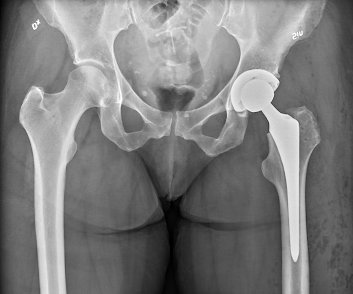
What is Total Hip Replacement?
Total Hip Replacement, also known as hip arthroplasty, is a surgical procedure in which the damaged bone and cartilage of the hip joint are replaced with artificial components (prostheses). The main goals of this surgery are:
Relieving hip pain
Improving joint mobility
Enhancing quality of life
Restoring normal daily activity levels
Common Reasons for Total Hip Replacement:
Osteoarthritis
Rheumatoid arthritis
Avascular necrosis
Hip fractures
Post-traumatic arthritis
Hip joint deformities
Preoperative Preparation for Total Hip Replacement
Before undergoing Total Hip Replacement, your orthopedic surgeon will guide you through essential preoperative steps:
1. Medical Evaluation:
Full health assessment including blood tests, ECG, and X-rays
Medication review to reduce surgical risk
2. Prehabilitation:
Physical therapy to strengthen muscles around the hip
Nutrition optimization and weight management
3. Lifestyle Adjustments:
Quitting smoking and alcohol
Preparing your home for post-operative safety (handrails, raised toilet seat, etc.)
Day of Surgery: What to Expect
Surgery usually takes 1–2 hours
Anesthesia: Spinal block or general anesthesia
Hospital stay: 2 to 3 days (depending on patient health and recovery speed)
Pain management: Medications and local anesthetic blocks
Total Hip Replacement Recovery Timeline
Week 1 to 2 – Early Recovery Phase
Hospital Stay: 1–3 days
Mobility: Begin walking with walker or crutches on day 1 or 2
Pain Management: Oral medications and ice therapy
Wound Care: Keep incision clean and dry
Physical Therapy: Starts within 24 hours post-op
Week 3 to 6 – Building Strength and Flexibility
Transition from walker to cane
Increase walking distance gradually
Home exercises to improve hip range of motion
Avoid bending beyond 90 degrees or crossing legs
Week 7 to 12 – Functional Recovery
Return to low-impact daily activities
Start driving (as advised by your surgeon)
Climb stairs with more ease
Continue supervised physiotherapy
3 to 6 Months – Full Functional Recovery
Return to normal walking and moderate activities
Resume hobbies like golfing, gardening, swimming
Continue strengthening and stretching exercises
6 Months to 1 Year – Long-Term Outcomes
Ongoing monitoring with your orthopedic team
Most patients return to active lifestyles
Prosthetic joints last 15–20 years with proper care
Essential Post-Operative Care Tips
Recovery from Total Hip Replacement is a gradual process that requires discipline and care. These tips will ensure a faster and safer return to your normal routine.
1. Follow the “Hip Precautions” Strictly
Avoid twisting or rotating the leg inward
Use a pillow between legs while sleeping
Avoid bending at the waist
2. Attend Regular Physiotherapy Sessions
Professional guidance speeds up recovery
Learn correct posture and movement
3. Incorporate a Healthy Diet
Protein-rich foods support healing
Hydration promotes tissue regeneration
4. Use Mobility Aids Properly
Walkers, canes, or crutches prevent falls
Gradually wean off them as advised
5. Prevent Blood Clots
Wear compression stockings
Take anticoagulant medications as prescribed
6. Stay Active, But Avoid High-Impact Activities
Walking and light stretching are encouraged
Avoid running, jumping, or contact sports
7. Monitor for Warning Signs
Fever, redness, drainage at incision site
Persistent pain or swelling in legs
Difficulty urinating or chest pain
If any of these occur, consult your orthopedic surgeon immediately.
Life After Total Hip Replacement
Patients report dramatic improvement in mobility, comfort, and confidence post-surgery. Here’s what to expect in the long run:
Improved quality of life
Enhanced participation in social and physical activities
Relief from chronic pain
Reduced dependency on medications
Do’s:
Keep weight under control
Maintain regular physical activity
Schedule annual orthopedic checkups
Don’ts:
Avoid lifting heavy weights
Refrain from high-impact exercises
Don’t ignore any new hip discomfort