
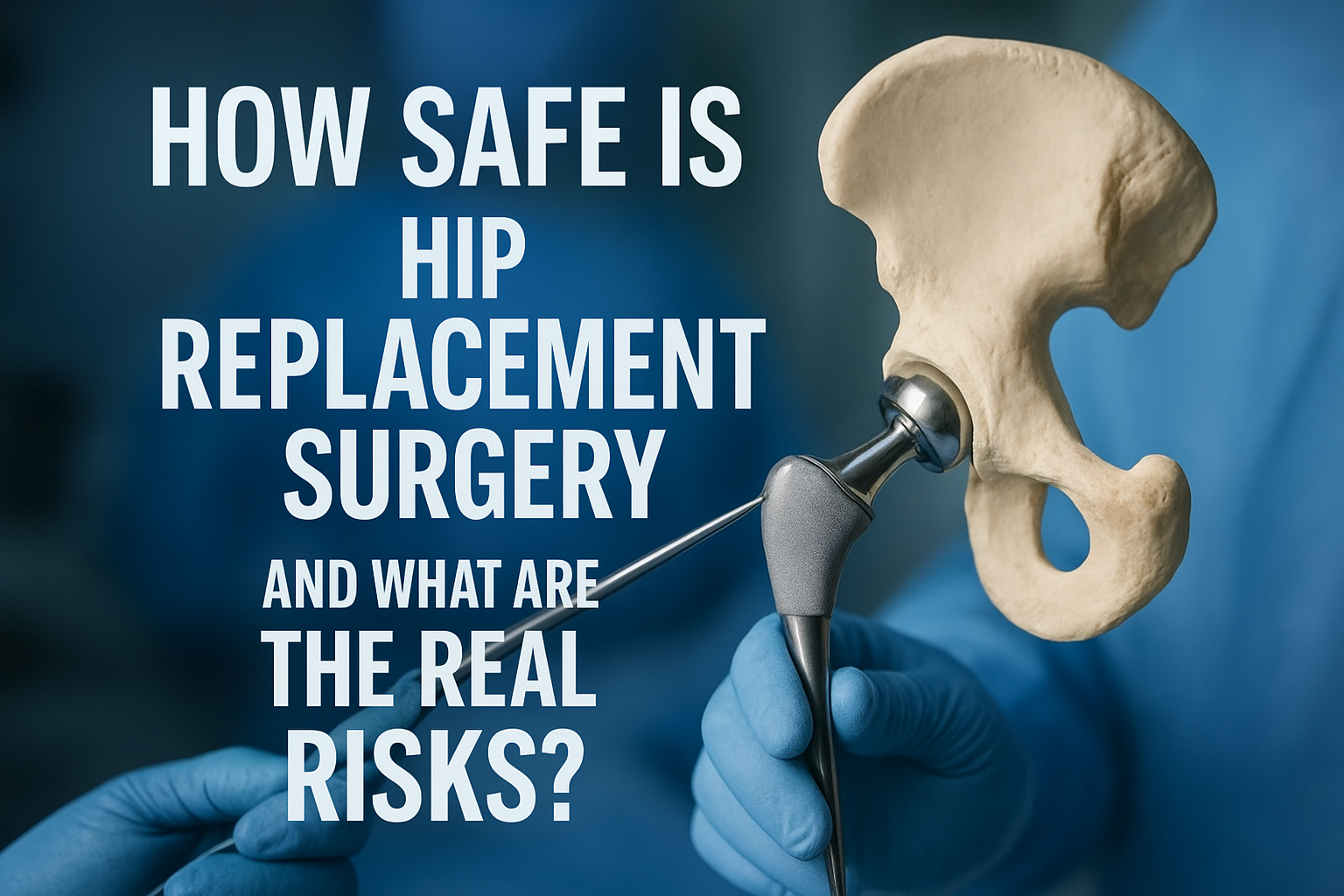
Hip replacement surgery is one of the most successful orthopedic procedures worldwide. It helps relieve pain, improve mobility, and restore quality of life for people suffering from severe hip arthritis or injury. But many patients wonder: how safe is hip replacement surgery, and what are the real risks involved?
Understanding Hip Replacement Surgery
A hip replacement involves removing the damaged parts of your hip joint and replacing them with artificial implants made of metal, ceramic, or plastic. The goal is to reduce pain and restore function. Thanks to medical advancements, the procedure has become minimally invasive with faster recovery times and better outcomes.
How Safe Is Hip Replacement Surgery Today?
Modern orthopedic surgery techniques and advanced implant designs have made hip replacement safer than ever. The success rate exceeds 95% in most patients, with long-lasting results. Pre-surgical evaluation, personalized implant selection, and improved anesthesia have significantly reduced the chances of complications.
Safety factors include:
- Surgeon’s experience and expertise
- Quality of hospital facilities
- Patient’s overall health and fitness level
- Proper post-surgery care and physiotherapy
Real Risks and Complications You Should Know
While hip replacement is generally safe, no surgery is risk-free. Some potential complications include:
- Infection: Rare but possible around the surgical site.
- Blood Clots: Can develop in the legs or lungs post-surgery.
- Dislocation: The new joint can sometimes slip out of position.
- Implant Wear and Loosening: May occur over time with use.
- Nerve or Blood Vessel Injury: Though uncommon, it can happen.
Your surgeon will take preventive measures to minimize these risks through antibiotics, anticoagulants, and careful surgical techniques.
Recovery and Rehabilitation
After surgery, following your hip replacement recovery plan is crucial. Physical therapy helps strengthen muscles and improve flexibility. Most patients resume daily activities within 6–12 weeks. Maintaining a healthy weight and avoiding high-impact sports prolongs implant life.
When to Seek Immediate Medical Attention
Contact your doctor right away if you notice:
- Persistent pain or swelling around the joint
- Fever or redness near the incision
- Sudden difficulty in moving your leg
Early detection ensures quick treatment and prevents long-term issues.
Conclusion
Hip replacement surgery is a safe and effective solution for chronic hip pain when performed by an experienced orthopedic specialist. With proper care, most patients enjoy pain-free mobility for decades.
For personalized evaluation, consult our Dr. Abhishek Barli Orthocare, an expert in advanced joint replacement procedures.