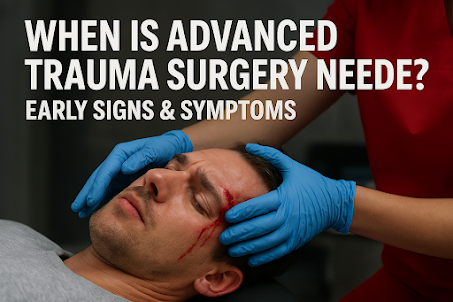
Traumatic injuries can strike without warning, and timely medical intervention can make the difference between full recovery and long-term complications. Understanding when advanced trauma surgery is required is essential for preventing disability and ensuring rapid stabilization. This guide explains the warning signals, risk factors, and the situations where immediate surgical care becomes crucial.
What Is Advanced Trauma Surgery?
Advanced trauma surgery focuses on treating severe or life-threatening injuries caused by accidents, falls, sports impacts, or violent force. It involves specialized procedures such as internal fixation, organ repair, vascular reconstruction, and complex wound management. The goal is to restore function quickly, limit damage, and stabilize vital systems.
When Is Advanced Trauma Surgery Needed?
Advanced intervention is necessary when the patient shows signs of internal bleeding, major fractures, neurological impairment, vascular damage, or organ dysfunction. These conditions escalate rapidly and demand immediate hospital care. Recognizing the severity early helps reduce complications and improves outcomes.
Key situations where surgery becomes essential include:
• High-impact road accidents
• Deep penetrating injuries
• Severe limb deformities
• Chest or abdominal trauma
• Major joint dislocations
• Multiple bone fractures
Early Signs & Symptoms to Watch For
Severe trauma often presents with subtle early symptoms that worsen quickly. Identifying these warning indicators ensures urgent evaluation and minimizes long-term damage.
1. Visible External Injuries
Open wounds, bleeding, swelling, and bruising may reveal deeper internal damage requiring intervention.
2. Persistent or Sudden Pain
Sharp, localized, or radiating pain can indicate bone displacement, nerve injury, or internal organ stress.
3. Difficulty Moving Limbs
Restricted mobility, numbness, or loss of function can be due to fractures, torn ligaments, or spinal involvement.
4. Abnormal Breathing or Chest Discomfort
Shortness of breath and tightness may signal rib fractures or lung complications.
5. Dizziness or Loss of Consciousness
Head injuries can cause confusion, fainting, or delayed responsiveness, requiring immediate evaluation.
6. Uncontrolled Bleeding
Heavy or continuous loss of blood increases the risk of shock and demands rapid emergency treatment.
How Doctors Diagnose Severe Trauma
Emergency teams use a combination of physical assessment, imaging tests, and monitoring tools to determine the need for surgical intervention.
• X-rays to detect fractures
• CT scans for internal bleeding
• Ultrasound for abdominal injuries
• MRI for soft-tissue and neurological issues
• Vital signs monitoring for shock or organ failure
These tests help surgeons create a precise treatment plan tailored to the injury.
Treatment Approaches in Advanced Trauma Surgery
Trauma surgeons use specialized techniques to ensure the best recovery. These may include:
• Stabilizing fractures with plates, rods, or screws
• Repairing damaged organs
• Controlling internal bleeding
• Restoring blood flow in affected vessels
• Reconstructing soft tissues
• Managing infection in deep wounds
Every approach aims to reduce damage and restore strength, mobility, and normal body functions.
Conclusion
Early identification of trauma warning signs ensures timely surgical care and reduces complications. Quick action, expert evaluation, and proper hospital support can greatly improve survival and recovery.
Recognizing severe symptoms, seeking emergency attention, and understanding the importance of advanced surgical care play a vital role in long-term health and functional recovery.