
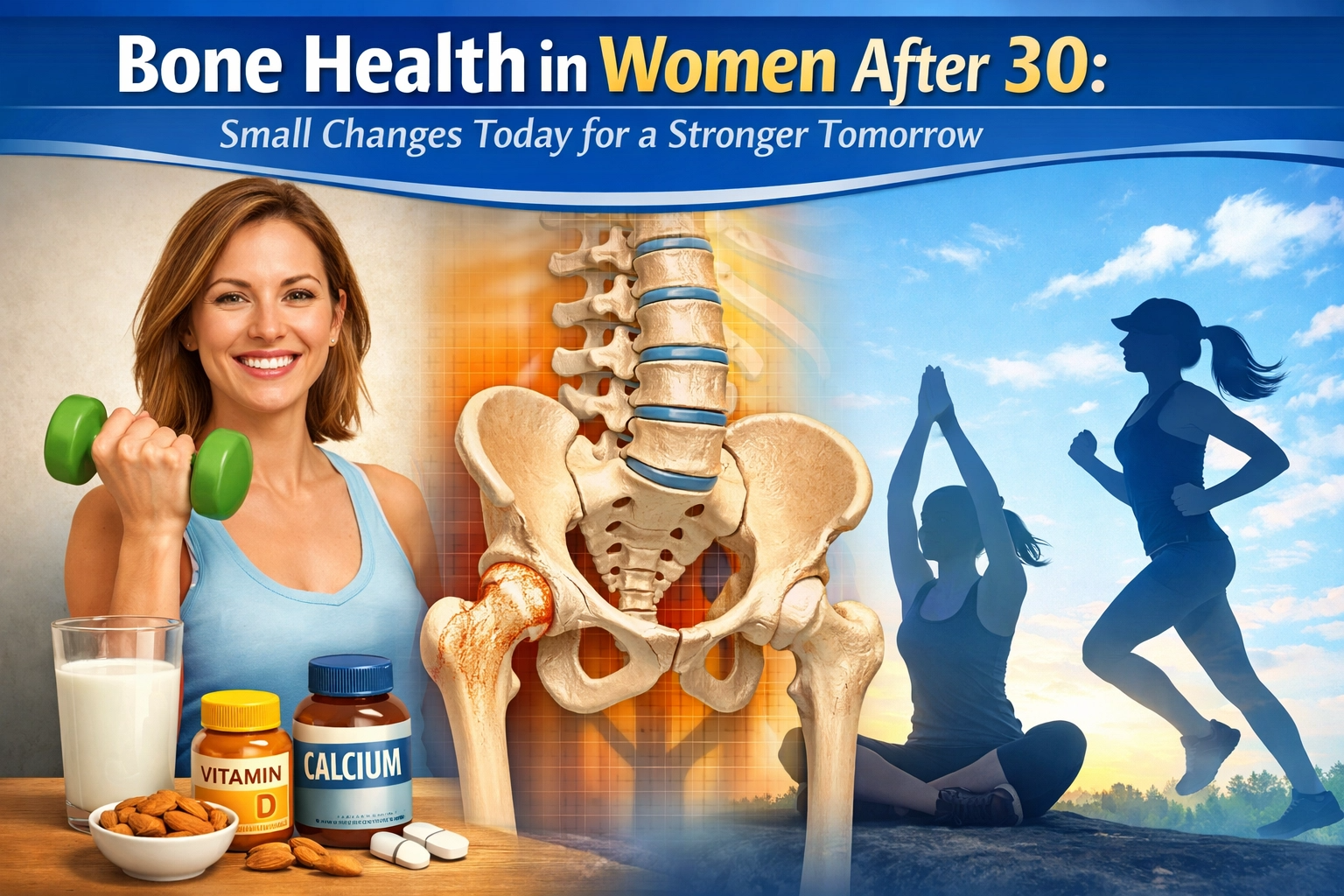
The scary part? You won’t feel it happening.
Life after 30 feels the same on the outside, but inside, your body begins to change in ways you don’t always notice. One of the most overlooked shifts is in bone health in women. While you’re busy managing work, family, and responsibilities, your bones may slowly start losing strength.
Many women only realize there’s an issue after a sudden fracture or persistent pain. But what if you could prevent that? What if small changes today could protect your strength for decades?
What Really Happens to Your Bones After 30
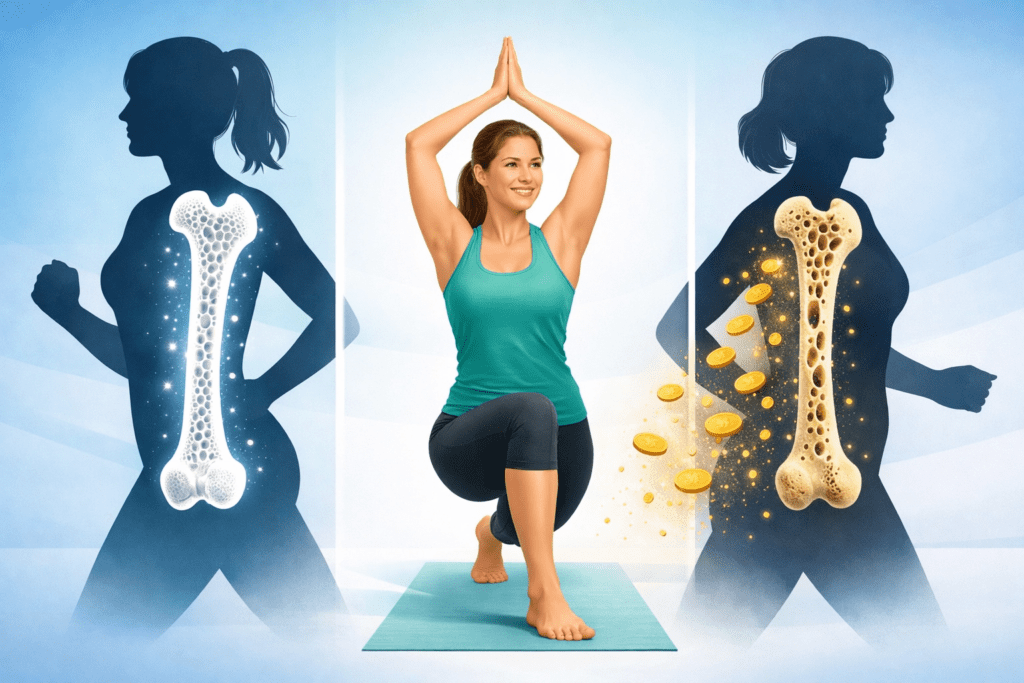
In your 20s, your body is actively building bone mass. Think of it like saving money in a bank. But once you cross 30, that “saving phase” slows down, and withdrawals begin.
This is where bone density loss starts becoming a silent concern.
Hormonal fluctuations, especially related to estrogen, play a major role. Combine that with modern lifestyle habits, long sitting hours, low sun exposure, processed diets, and your bones don’t get the support they need.
That’s why understanding bone health in women early is not just important, it’s necessary.
The Signs Most Women Ignore

It rarely starts with something dramatic. Instead, your body whispers before it screams.
You may notice:
- A dull ache in your back after long hours
- Feeling weaker while lifting everyday objects
- Subtle posture changes
- Occasional joint discomfort
These signs often get dismissed as “normal tiredness,” but they can be early indicators linked to bone health in women.
Listening to your body now can save you from serious complications later.
Food Is Your First Medicine
Including the right foods for bone health can significantly slow down bone weakening and even improve strength over time. Traditional Indian diets actually offer powerful options if chosen wisely.
Before supplements, before treatments, your daily plate matters the most.
Instead of drastic diet changes, think of simple additions:
- A glass of milk or curd daily
- A handful of almonds or sesame seeds
- Including ragi in your meals
- Adding leafy greens like spinach
These foods for bone health don’t just nourish your bones—they support your overall vitality.
And the best part? You don’t need expensive diets. Just consistent, mindful eating.
Why Vitamins Matter More Than You Think
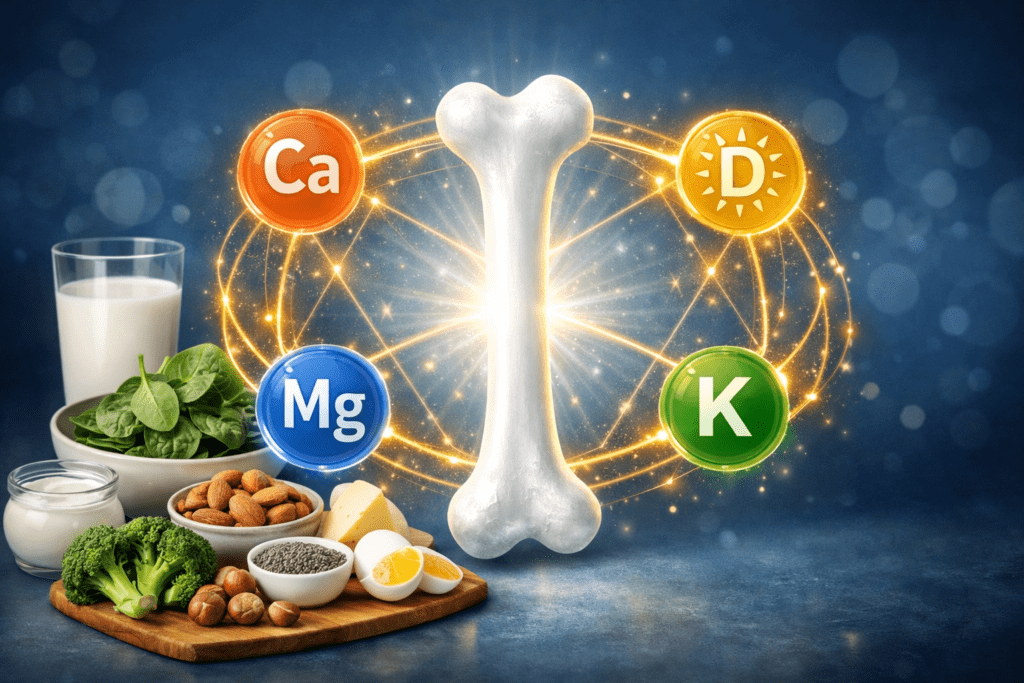
Even with a good diet, your body needs support from essential nutrients. The right vitamins for bone health act like a support system, ensuring your bones stay strong and resilient. Calcium is important, but it doesn’t work alone. Vitamin D helps your body absorb it. Magnesium and Vitamin K quietly contribute to maintaining bone structure. When your body lacks these vitamins for bone health, it begins to compensate in unhealthy ways, often by weakening your bones. This is why many women, despite eating well, still face bone issues
Calcium and Bone Health: A Daily Commitment
There’s a reason doctors emphasize calcium so much. The connection between calcium and bone health is fundamental. Your bones act as a calcium reserve. When your daily intake is low, your body starts pulling calcium from your bones to support other functions. Over time, this weakens your skeletal structure. Instead of thinking of calcium as a “supplement,” think of it as a daily investment. Every glass of milk, every calcium-rich meal is adding strength to your future.
Vitamin D and Bone Loss: The Missing Link
You could be eating all the right foods, but without enough sunlight, your body struggles. This is where vitamin d and bone loss become closely connected. Urban lifestyles have reduced our exposure to natural sunlight. Long hours indoors, sunscreen overuse, and sedentary habits all contribute to deficiency.Just 15–20 minutes of morning sunlight can make a significant difference. It’s simple, free, and incredibly effective.
Movement Is Medicine: The Power of Exercise
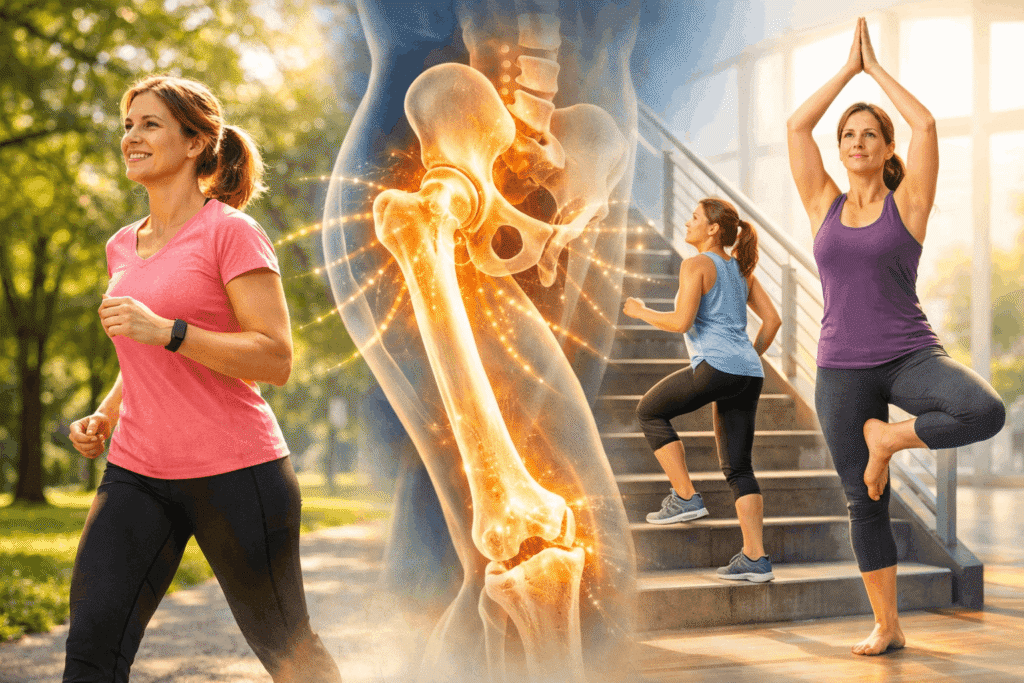
If there’s one habit that can truly transform your bone health, it’s movement. Not all exercises are equal. Weight bearing exercises are especially important because they force your bones to work against gravity, making them stronger.
Instead of intense routines, start small and stay consistent.
Some effective weight bearing exercises include:
- Walking or brisk walking in your neighborhood
- Climbing stairs instead of using elevators
- Light strength training
- Yoga and bodyweight exercises
When done regularly, these weight bearing exercises help maintain bone density and improve balance—reducing the risk of falls and fractures.
Lifestyle Choices That Quietly Damage Your Bones
Sometimes, it’s not what you’re missing—but what you’re doing daily.
Excess caffeine, smoking, lack of sleep, and prolonged sitting all contribute to weakening bones. These habits may seem harmless now but can have long-term effects. On the other hand, simple shifts, like staying active, eating balanced meals, and maintaining a routine—can protect your bones more than you realize.
When Should You Seek Expert Help?
There’s a common tendency to delay medical consultation until pain becomes unbearable. But bone health doesn’t work that way. If you experience persistent discomfort, reduced strength, or have a family history of bone issues, it’s wise to consult a specialist early.
How I, Dr. Abhishek Barli, Help My Patients Protect Their Bone Health
As an orthopedic specialist, I, Dr. Abhishek Barli, often meet patients only after their pain starts affecting daily life. By that time, simple activities like walking, lifting, or even sitting comfortably become challenging.
What I always tell my patients is this—most bone-related issues can be managed effectively if identified early.
In my practice, I focus on understanding not just your symptoms, but the root cause behind them. Every patient is different, and so is their condition. That’s why I believe in a personalized approach rather than a one-size-fits-all treatment.
Here’s how I support my patients in their journey toward stronger bones:
- Early identification of underlying bone conditions before they progress
- Tailored treatment plans based on individual lifestyle and health needs
- Preventive strategies to maintain long-term bone strength
- Advanced orthopedic care using the latest techniques
At Yashoda Hospital, I ensure that every patient receives complete care—from accurate diagnosis to full recovery.
A Simple Daily Routine I Recommend to Protect Your Bones Long-Term

As a doctor, I always remind my patients that protecting bone health in women is not just about diet or exercise—it’s also about everyday awareness. Pay attention to your posture throughout the day, especially if you sit for long hours. Poor posture can gradually affect your spine and overall bone strength. I also suggest avoiding long periods of inactivity. Even small movements between work—like stretching or standing breaks—can help keep your bones active.
Another important habit is listening to your body. Don’t ignore recurring discomfort, stiffness, or weakness, even if it feels minor.
My Simple Daily Reminders
- Maintain good posture while sitting and working
- Avoid long hours of continuous sitting
- Take short movement or stretch breaks
- Don’t ignore early signs of discomfort
These small, mindful habits can go a long way in supporting bone health in women and preventing future complications.
frequently asked questions (FAQs)
How do I know if I am experiencing bone density loss?
Early stages of bone density loss often show no clear symptoms. However, frequent joint pain, back discomfort, or reduced strength can be warning signs that should not be ignored.
Is bone health in women only a concern after menopause?
No, bone health in women starts declining much earlier—often after 30. Waiting until menopause can make prevention more difficult.
How often should bone health be checked?
If you are above 30 and have risk factors, periodic check-ups every 1–2 years can help monitor your bone strength and prevent complications.
Do all women need bone health screening?
Not everyone immediately, but women with risk factors like family history, low nutrition, or sedentary lifestyle should consider early screening.