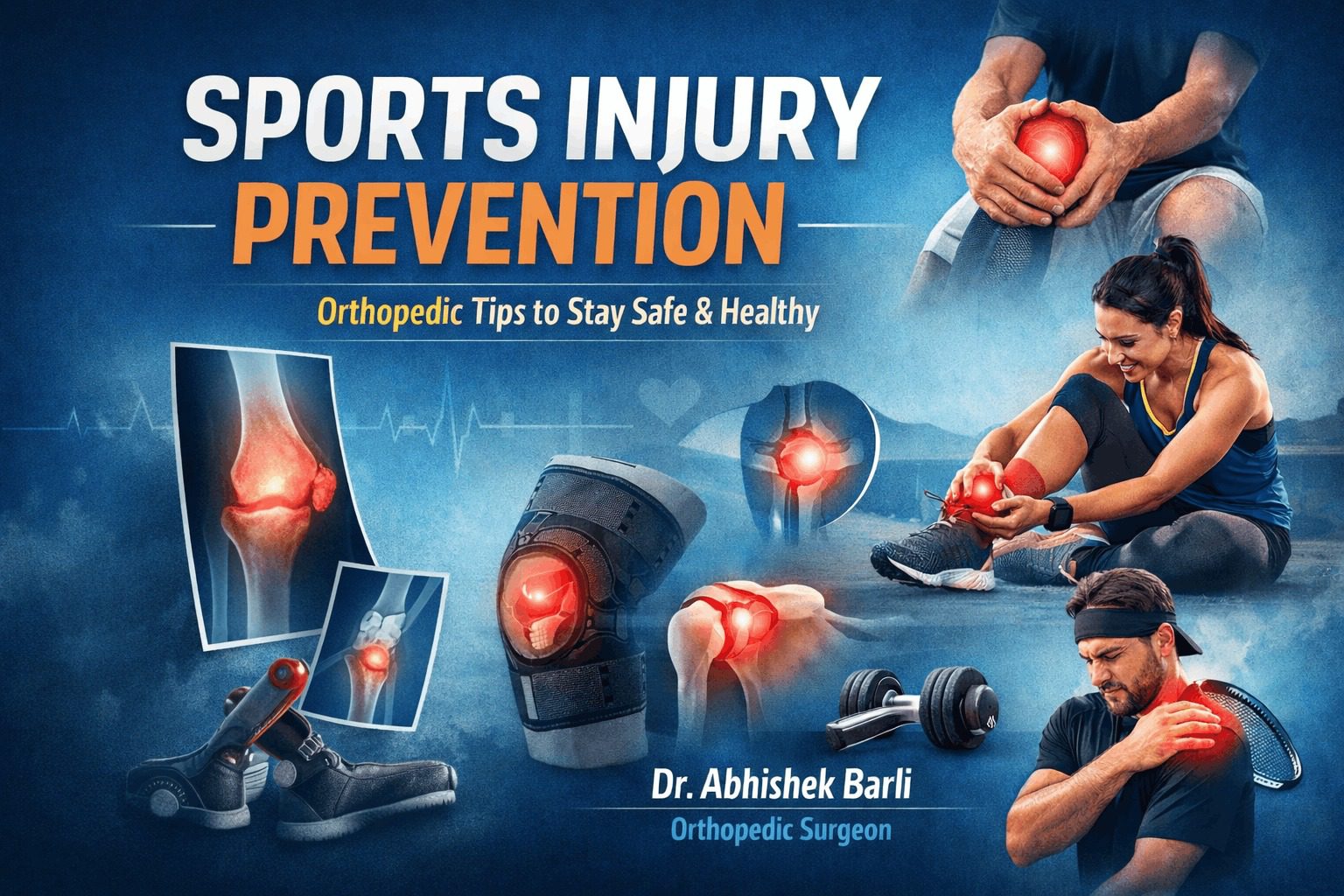
Summer is a season of energy, outdoor play, and intense physical activity. Whether you are an athlete, a fitness enthusiast, or someone who enjoys weekend recreational games, the warmer months bring both excitement and increased risk on the field. Sports injury prevention is not just a clinical recommendation, it is a critical commitment every active individual must make to protect their joints, muscles, and long-term mobility.
As an orthopedic specialist, I have seen firsthand how a few smart habits and informed decisions can be the difference between a season of peak performance and months of painful recovery.
In this blog, I will walk you through the key orthopedic principles behind sports injury and prevention, the types of injuries that are most commonly seen in summer sports, and the practical steps you can take to stay active without putting your body at risk.
Understanding Orthopedic Injuries During Summer Sports
How Summer Activity Patterns Increase Injury Risk
During summer, people often go from relatively low activity levels to intense training or competitive games within a very short period. This sudden increase in physical demand is one of the primary reasons orthopedic clinics see a sharp rise in sports-related injuries between May and August. The muscles, tendons, and ligaments need time to adapt to new loads.
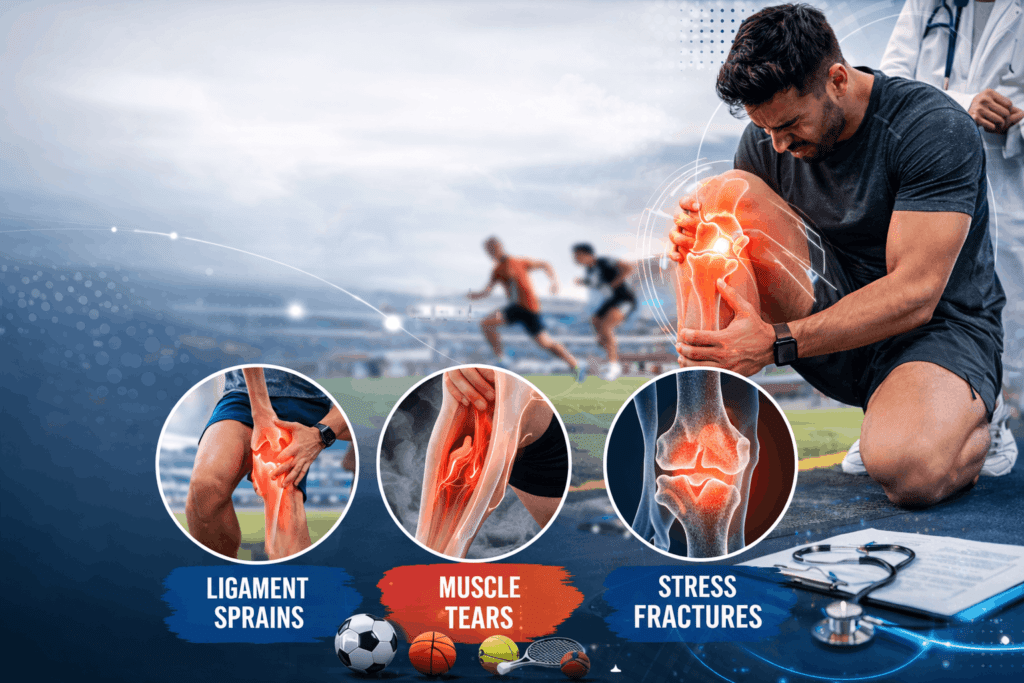
When they are forced to perform beyond their prepared capacity, common injuries in sports such as ligament sprains, tendon tears, and stress fractures can occur. These are not always the result of accidents, many of them develop gradually because of overuse or improper movement patterns.
Knee Injuries in Sports: A Major Concern for Athletes
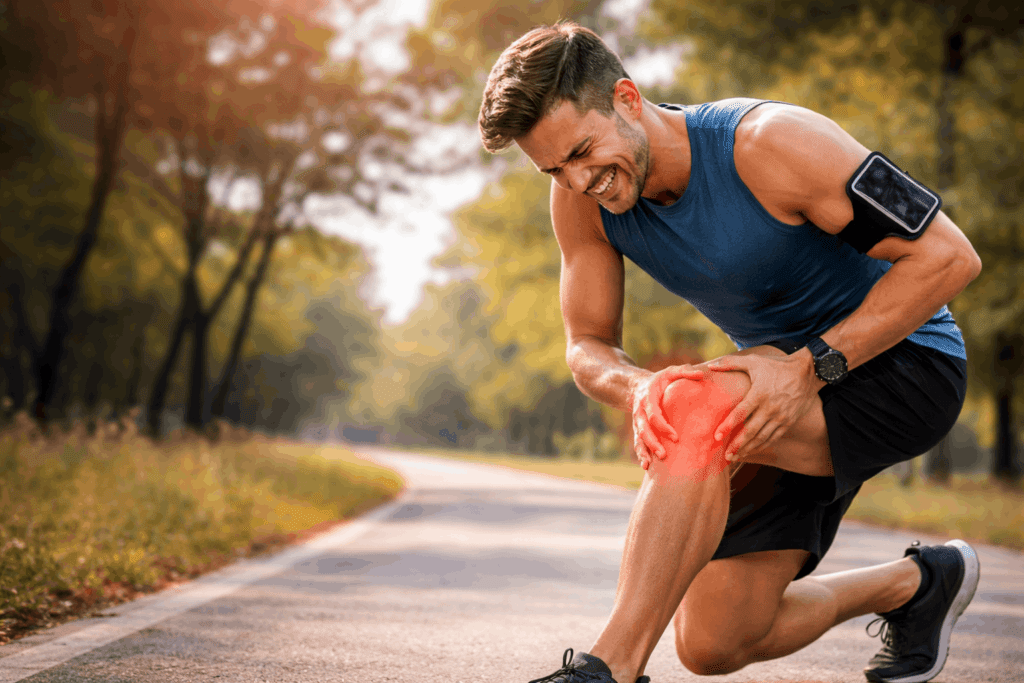
Among all the structures in the body, the knee is particularly vulnerable during sports. Knee injuries in sports are among the most frequently treated conditions in orthopedic practice. And they range from minor cartilage irritation to complete ACL tears that require surgery and months of rehabilitation. Knee injuries in sports typically occur during sudden directional changes, jumping, or landing incorrectly, movements that are extremely common in football, basketball, and badminton.
The meniscus, which acts as a cushion between the thigh bone and shin bone, is also frequently damaged in athletes who play high-impact games. Early detection and proper management of knee injuries in sports are essential to avoid long-term instability and joint degeneration. If you feel persistent pain or swelling around your knee after physical activity, please do not ignore it.
Beyond the knee, common injuries in sports also affect the shoulder, ankle, and lower back, depending on the type of activity. Racquet sports often lead to rotator cuff strain and tennis elbow, while running and endurance activities tend to cause plantar fasciitis, IT band syndrome, and shin splints. Recognizing common injuries in sports based on your activity helps you take targeted preventive action.
Muscle Strain: Recovery, Risk Factors, and What You Must Know
Factors That Affect Muscle Strain Recovery Time
Muscle strain is one of the most common results of sudden or excessive physical exertion. It happens when muscle fibers are stretched or torn beyond their limit, something that occurs frequently during sprinting, heavy lifting, or even simple overstretching without adequate warm-up. The muscle strain recovery time depends on the grade of injury.
A mild Grade 1 strain may resolve in one to two weeks with proper rest, while a severe Grade 3 strain involving a complete muscle tear can take several months and may require surgical intervention. Importantly, the muscle strain recovery time also depends on how quickly treatment is initiated. Ignoring a strain or returning to sports too early significantly delays healing and can worsen the injury.
Biomechanical Issues That Silently Increase Your Injury Risk
Not all sports injuries are caused by a single dramatic incident. In fact, many athletes develop injuries slowly over time because of biomechanical imbalances and issues like poor posture, weak hip stabilizers, limited ankle flexibility, or faulty movement mechanics. These imbalances place uneven stress on joints and soft tissues during repetitive movements.
For example, if the quadriceps are significantly stronger than the hamstrings, the knee joint becomes less stable during deceleration, making it far more susceptible to injury. Addressing these underlying issues is a critical part of prevention, and it is something I routinely evaluate during consultations with active patients.
Understanding the muscle strain recovery time for different grades of injury also helps set realistic return-to-sport timelines and prevents athletes from rushing back before the tissue has fully healed.
Effective Strategies for Preventing Injuries in Sports
Warm-Up, Cool-Down, and Flexibility Training
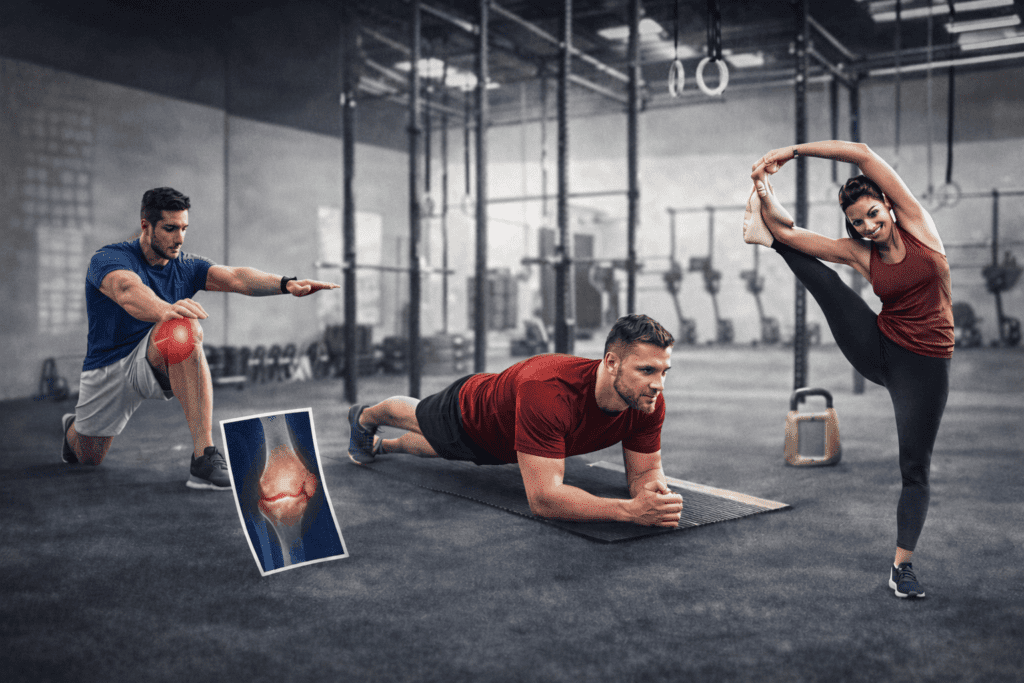
Preventing injuries in sports starts with the basics that athletes often overlook: a thorough warm-up and a structured cool-down. A proper warm-up increases blood flow to the muscles, raises core temperature and prepares the joints for the demands of the activity ahead. Dynamic movements such as leg swings, arm circles, and sport-specific drills are far more effective than static stretching before exercise.
After the session, a gradual cool-down combined with gentle stretching helps reduce muscle soreness and promotes recovery. Preventing injuries in sports requires building these habits into every training session without exception.
Strengthening Exercises Recommended by Orthopedic Specialists
From an orthopedic standpoint, targeted strengthening exercises are one of the most powerful tools for sports injury and its prevention. Quadriceps and hamstring strengthening exercises protect the knee joint from ligament stress. Gluteal strengthening improves hip stability, reducing the load on the knees and lower back.
Core conditioning exercises such as planks and dead bugs provide spinal stability and improve overall movement efficiency. Calf raises and single-leg balance exercises enhance ankle strength and proprioception, which reduces the risk of ankle sprains. These exercises are simple, require minimal equipment, and offer significant protective benefits for athletes at every level.
The Role of Proper Technique and Equipment in Injury Prevention
Sports injury prevention is also heavily influenced by the quality of technique and the appropriateness of equipment. Wearing well-fitted footwear designed for your specific sport, using protective gear such as knee braces or wrist guards where needed, and practicing correct form during exercises and gameplay all reduce stress on vulnerable joints.
Athletes should also pay attention to surface conditions; playing on uneven or hard surfaces without proper footwear is a common trigger for ankle and knee injuries. Coaches and trainers play an important role in identifying and correcting form issues before they lead to injury.
When to Consult an Orthopedic Specialist for Sports Injuries
Signs That Require Immediate Medical Evaluation
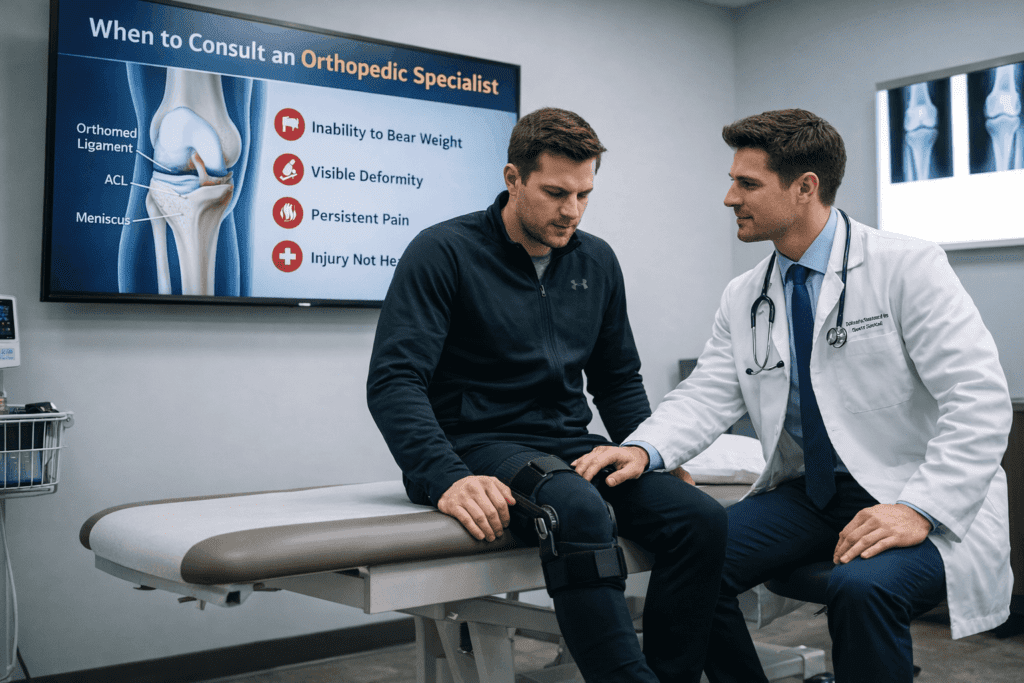
While minor soreness after exercise is normal, certain symptoms should never be dismissed. Persistent joint swelling, sharp pain during movement, a popping sensation at the time of injury, visible deformity, or complete inability to bear weight are all warning signs that require prompt orthopedic evaluation. These symptoms may indicate ligament tears, fractures, or joint damage that will worsen with continued activity or delayed treatment. As a sports injury doctor in Hyderabad, I encourage every athlete to err on the side of caution and seek professional assessment when in doubt.
Recurring summer sports injuries, where the same area keeps getting hurt, are also a strong indication that there is an underlying biomechanical issue or structural weakness that needs to be professionally evaluated and addressed with a structured rehabilitation program.
Why Choose Dr. Abhishek Barli for Your Sports Injury Care in Hyderabad
As an orthopedic specialist with over 3,000 successful surgeries, I bring both clinical precision and a patient-focused approach to the management of sports-related musculoskeletal injuries. My goal is not just to treat the injury in front of me but to understand the root cause, restore full function, and help you return to your sport with improved strength and confidence. I provide comprehensive evaluations, personalized physiotherapy guidance, and rehabilitation programs designed around each patient’s specific activity demands and recovery goals.
If you are dealing with a persistent sports injury or would like expert guidance on sports injury prevention tailored to your activity, I invite you to book a consultation with Dr. Abhishek Barli, orthopedic surgeon at Yashoda Hospital, Somajiguda, Hyderabad. Together, we can build a proactive plan to keep you active, healthy, and performing at your best this summer and beyond.
Frequently Asked Questions (FAQs)
What are the most common injuries in sports treated by orthopedic doctors?
Common injuries in sports include ligament sprains, muscle strains, tendon inflammation, stress fractures, and cartilage damage. These injuries most frequently affect the knees, shoulders, and ankles and can range from mild overuse conditions to severe structural damage requiring surgery.
How long is the typical muscle strain recovery time?
The muscle strain recovery time depends on the severity of the injury. Mild strains generally heal within one to two weeks with rest and ice therapy, while moderate strains may take three to six weeks. Severe strains involving significant tearing can require several months of rehabilitation and, in some cases, surgical repair.
Why is sports injury prevention important for recreational athletes?
Sports injury prevention is important for recreational athletes because they often lack professional coaching and structural training programs. Without proper warm-ups, conditioning, and technique guidance, recreational players are just as vulnerable as professionals and sometimes more so, because their bodies are less conditioned for the demands of high-intensity play.
Are knee injuries in sports always serious?
Not all knee injuries in sports require surgery, but many are more serious than they appear. Even a minor ligament sprain, if left untreated, can lead to chronic instability and long-term joint damage. It is always advisable to get a professional orthopedic evaluation after a knee injury, especially if swelling, instability, or pain persists beyond a day or two.
What is the best way to warm up before summer sports?
A proper warm-up before summer sports should last at least 10 to 15 minutes and include dynamic movements such as leg swings, arm circles, high knees, and sport-specific drills. Avoid static stretching before exercise, as it reduces muscle power. A good warm-up increases blood flow, raises muscle temperature, and prepares your joints for the physical demands ahead, making it one of the most effective sports injury prevention habits you can build.
When should I see a doctor for joint pain after exercise?
You should consult an orthopedic specialist if joint pain after exercise persists for more than 48 hours, is accompanied by visible swelling or bruising, causes instability or difficulty bearing weight, or keeps recurring after every session. Occasional mild soreness is normal, but persistent joint pain after exercise is your body signaling that something needs attention. Early evaluation by a specialist like Dr. Abhishek Barli at Yashoda Hospitals, Hyderabad, can prevent a minor issue from becoming a serious injury.